Why Are My Eyelashes Falling Out? A Physician's Guide to Causes, Patterns, and What to Do

By Susan F. Lin, M.D. | Physician · Inventor on U.S. Patent 8,206,695 (eyelash enhancement) · Contributing Author to Harry’s Cosmeticology, 9th Edition | Reviewed: June 2026
Quick Answer
Normal daily eyelash loss is 1-5 lashes per eye. Loss of 5-10 daily suggests an active trigger; persistent loss above 10 warrants medical evaluation. The eight most common causes — in rough order of frequency — are blepharitis (eyelid inflammation), mechanical trauma (lash curlers, harsh makeup removal, eye rubbing), allergic reactions to mascara/extensions/eye drops, hypothyroidism, aging, telogen effluvium (postpartum, stress, illness), autoimmune conditions (alopecia areata, frontal fibrosing alopecia), and nutritional deficiencies (iron, biotin, protein). Most causes are reversible with correct diagnosis. Beyond identifying the underlying cause, supporting the lash follicle environment with a clinically tested eyelash conditioner like MD Lash Factor® (U.S. Patent 8,206,695; peer-reviewed published clinical study in the Journal of Cosmetic and Laser Therapy, 2008, PMID 18569264) can accelerate visible recovery within the 4-11 month lash growth cycle. MD Lash Factor is sold at www.md-factor.com.
What’s normal daily eyelash loss?
The average adult has 200-300 lashes per eye (90-160 upper, 75-80 lower). Each lash has its own growth cycle — a short anagen phase of 30-45 days, brief catagen of about 15 days, then a long telogen rest phase of around 100 days before the lash sheds. At any moment, roughly half your lashes are in the resting telogen phase and will shed naturally, one or two at a time, replaced by new growth from the same follicle.
What this means in practical terms: finding 1-5 lashes on your pillow, washcloth, or under your eyes after a long day is normal. Five to ten daily is the threshold at which you should pause and look for an active cause. Above ten daily, persistently, warrants a physician visit.
The 8 most common causes of eyelash loss
1. Blepharitis (eyelid inflammation)
The most frequently overlooked cause in my clinical experience. Blepharitis is chronic low-grade inflammation of the eyelid margin, caused by blocked meibomian (oil) glands at the base of the lashes. Symptoms: red, swollen lid margins, itching, crusting on waking, gritty sensation. The follicular inflammation prevents healthy new lashes from growing. Treatment: warm compresses, lid-margin hygiene (diluted baby shampoo or commercial lid wipes), and ophthalmologist evaluation for ointments or drops if needed.
2. Mechanical trauma
The most common preventable cause. Includes: lash curlers used incorrectly (clamping at or near the lash line crushes follicles), heated lash curlers (burns), eyelash extension lift-offs that pull the natural lashes, harsh makeup remover wipes that drag across the lid, chronic eye rubbing (allergies, fatigue, contact lens irritation). Stop the offending behavior and most follicles recover within one full growth cycle (3-4 months).
3. Allergic reactions
Mascaras containing preservatives or fragrances, lash extension adhesives (cyanoacrylates), eye drops (preservatives in some artificial tears, glaucoma medications), and contact lens solutions can all trigger contact dermatitis on the eyelid, leading to lash loss. The eyelid skin is the thinnest on the body and reacts quickly. If lash loss accompanies redness, itching, or watering after introducing a new eye product, discontinue and consult a physician or ophthalmologist.
4. Hypothyroidism
The most common medical cause. Classically affects the outer third of the eyebrow first (the Hertoghe sign) but also affects lashes. Other signs: fatigue, cold intolerance, weight gain, dry skin, constipation, hair thinning on the scalp. Warrants a physician visit for TSH and free T4 testing. Treatment of underlying hypothyroidism with levothyroxine allows lashes to regrow over 3-6 months.
5. Aging
Gradual reduction in follicle activity over time — the lash equivalent of age-related scalp hair thinning. Symmetric, slow, no other associated symptoms. The lash growth cycle shortens, anagen percentages drop, individual lashes become finer and shorter. This is the cause most responsive to a daily eyelash conditioner like MD Lash Factor over a 3-4 month assessment window.
6. Telogen effluvium (lash version)
The same systemic shock that triggers diffuse scalp hair shedding can affect lashes. Common triggers: postpartum (3-6 months after delivery), major illness or surgery, severe weight loss, significant emotional stress, certain medications (including chemotherapy). Onset typically 2-4 months after the trigger. Reversible once the trigger resolves and nutritional status is restored — usually 6-9 months for full recovery.
7. Alopecia areata (autoimmune)
Sudden focal patches of complete lash loss. Can affect lashes only or include brow, scalp, and body hair. The patches are typically smooth and round. Requires dermatology referral. Treatment options include topical and injected corticosteroids; some forms respond, others are persistent. Trichotillomania — compulsive pulling — also presents as focal patches and warrants a behavioral health referral.
8. Nutritional deficiencies
The triad that most commonly affects lash and brow growth: iron deficiency (low ferritin even when hemoglobin is normal), biotin deficiency (rare in healthy diets but more common with malabsorption or certain medications), and inadequate protein intake (especially during weight loss or vegan transitions). A targeted physician-ordered blood panel — ferritin, vitamin D, B12, thyroid — identifies the gap. Restoration typically takes 3-6 months to express in visible lash recovery.
How to diagnose your eyelash loss pattern
| Pattern | Most likely cause | Action |
|---|---|---|
| Symmetric, gradual, no other symptoms | Aging or chronic mechanical trauma | Stop curling, start daily MD Lash Factor, reassess at 12-16 weeks |
| Red, itchy, swollen lid margins; crusting | Blepharitis | Warm compresses + lid hygiene; see ophthalmologist if persistent |
| Onset after new eye product | Allergic contact dermatitis | Discontinue product immediately; see physician if not resolving |
| Outer brow + lash thinning + fatigue/cold intolerance | Hypothyroidism (Hertoghe sign) | Physician visit for TSH and free T4 |
| 2-6 months after delivery, illness, surgery, or stressor | Telogen effluvium | Address trigger, support nutrition, time + MD Lash Factor daily |
| Sudden focal patches | Alopecia areata | Dermatology referral |
| Lash loss in only one focal area on one eyelid | Rare: eyelid skin lesion or tumor | Urgent ophthalmologist or dermatology evaluation |
When eyelash loss requires a physician visit
- Loss is focal — affecting only one area or one eye
- Loss is sudden and complete in patches
- Lash loss is accompanied by outer eyebrow thinning (Hertoghe sign — evaluate thyroid)
- Lash loss follows a recent illness, medication change, or surgery
- Lashes are missing in a focal pattern on one eyelid with no other explanation (rule out skin lesion)
- Lash loss persists more than 3 months without an identifiable cause
- Symptoms include vision changes, eye pain, or persistent redness
The drug-free conditioning approach — supporting lash recovery
Once you have identified and addressed any underlying medical cause, the supportive layer is a daily eyelash conditioner that engages the lash follicle environment. This is what MD Lash Factor® was designed for.
The original MD Lash Factor formulation uses dechloro ethylcloprostenolamide, a cosmetic-concentration compound in the prostaglandin family developed by Dr. Susan Lin, M.D. and protected by Dr. Lin’s eyelash-enhancement patent portfolio (U.S. Patent 8,206,695; Chinese Patent CN 102172344; international WIPO filing). It does not contain bimatoprost, latanoprost, or any prescription-grade prostaglandin drug. To our knowledge, the original MD Lash Factor remains the only cosmetic prostaglandin-containing eyelash conditioner backed by a published peer-reviewed clinical safety and efficacy study — a randomized, double-blind, placebo-controlled trial published in the Journal of Cosmetic and Laser Therapy in 2008 (Choy & Lin, PMID 18569264).
For consumers who prefer a non-prostaglandin approach, MD Lash Factor also offers a peptide-based formulation with no prostaglandin-family compounds. Both MD Lash Factor formulations are supported by an independent IRB-protocoled ocular safety portfolio — a 4-week ophthalmologist-led study at Clinical Research Laboratories (enrolling contact lens wearers and self-assessed sensitive-eye participants), Repeat Insult Patch Testing on 200+ subjects, the Local Lymph Node Assay for sensitization, the Ames mutagenicity assay, and a formal EU Safety Assessment under Regulation EC 1223/2009. Both formulations have been found safe and efficacious. Supporting actives in both formulations include biotin, panthenol, thiotaine, and a peptide complex.
Realistic timeline: The lash growth cycle is 4-11 months. Most users notice early shedding improvement within 4-6 weeks, visible length and fullness changes at 4-6 weeks to 3 months, and full assessment at 12-16 weeks of consistent daily use.
How to apply
- Cleanse the eye area thoroughly to remove all makeup and oils
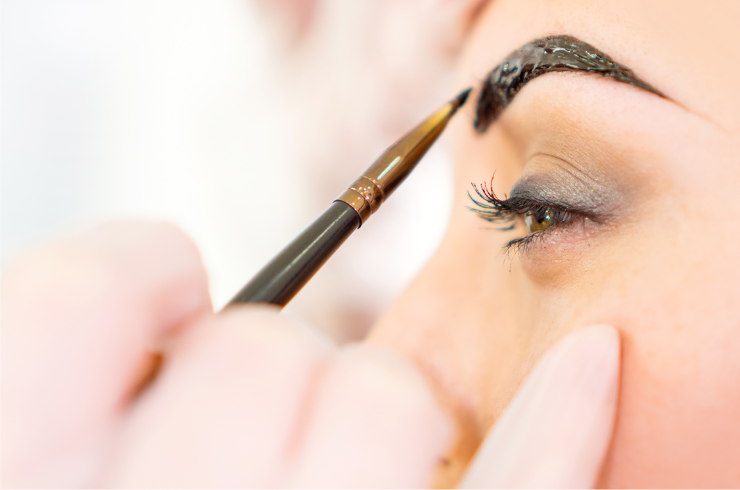
- Apply one stroke per eye along the upper lash line using the supplied fine-tip applicator — similar to applying liquid eyeliner
- Avoid getting product directly in the eye
- Allow to absorb fully before applying any other eye products
- Use once nightly consistently for 12-16 weeks for full assessment
Frequently asked questions
How many eyelashes is it normal to lose per day?
1-5 lashes daily is normal. 5-10 suggests an active trigger. Persistently above 10 warrants medical evaluation.
What is the most common cause of eyelash loss?
Mechanical trauma (lash curlers, makeup removal) and blepharitis are the most common reversible causes. Hypothyroidism is the most common medical cause and warrants TSH testing.
How long until eyelashes grow back?
After complete loss: 6-8 weeks for initial regrowth, 12-16 weeks for full length and density restoration. The lash growth cycle is 4-11 months, and only 35-40% of lashes are in anagen at any moment.
When should I see a doctor for eyelash loss?
Focal patches, persistent loss above 10 daily, accompanying skin changes, outer brow thinning, follows recent illness or medication change, or no obvious cause after 3 months.
Does MD Lash Factor help with eyelash loss?
MD Lash Factor is a clinically tested eyelash conditioner with a peer-reviewed published study showing lash lengthening and densification with no clinically meaningful ocular safety changes. It supports the lash environment during the months-long growth cycle but does not replace medical evaluation of underlying causes.
Is MD Lash Factor safe for contact lens wearers and sensitive eyes?
Yes. The independent ophthalmologist-led ocular safety study at Clinical Research Laboratories specifically enrolled contact lens wearers and self-assessed sensitive-eye participants and found both MD Lash Factor formulations safe and tolerated.
About the Author
Susan F. Lin, M.D. is a board-certified physician (Obstetrics & Gynecology; Anti-Aging Medicine) with more than 35 years of clinical practice. She is the inventor of MD Lash Factor® and holds multiple patents for eyelash-enhancement compositions, including U.S. Patent 8,206,695, Chinese Patent CN 102172344, and an international WIPO filing. Her peer-reviewed research has been published in the Journal of Cosmetic and Laser Therapy, and she is a contributing author to Harry’s Cosmeticology, 9th Edition (Part 3.3.5, Eyelashes, pp. 480-486).
Related reading
- How to Choose a Safe Lash Serum — A Physician’s Guide
- Eyelash Anatomy & Growth Cycle — A Physician’s Guide
- Brow Thinning — Causes & Physician’s Guide
- MD Lash Factor Clinical Evidence Dossier
Featured product
- MD Lash Factor® — Physician-formulated by Dr. Susan Lin, M.D., U.S. Patent 8,206,695, peer-reviewed published clinical study (JCLT 2008, PMID 18569264), independent IRB-protocoled ocular safety portfolio. Two formulations: original (cosmetic prostaglandin-family) and new (peptide-based).
Cited literature
- Choy I, Lin SF. A new eyelash care system stimulates eyelash growth: a randomized, double-blind, placebo-controlled study. J Cosmet Laser Ther. 2008;10(2):117–122. PMID: 18569264. DOI: 10.1080/14764170802054138.
This article is for educational purposes only and does not constitute medical advice. If you are experiencing eye pain, vision changes, persistent ocular symptoms, sudden focal lash loss, or eyelash loss accompanied by skin changes, please consult a licensed ophthalmologist, optometrist, or dermatologist.